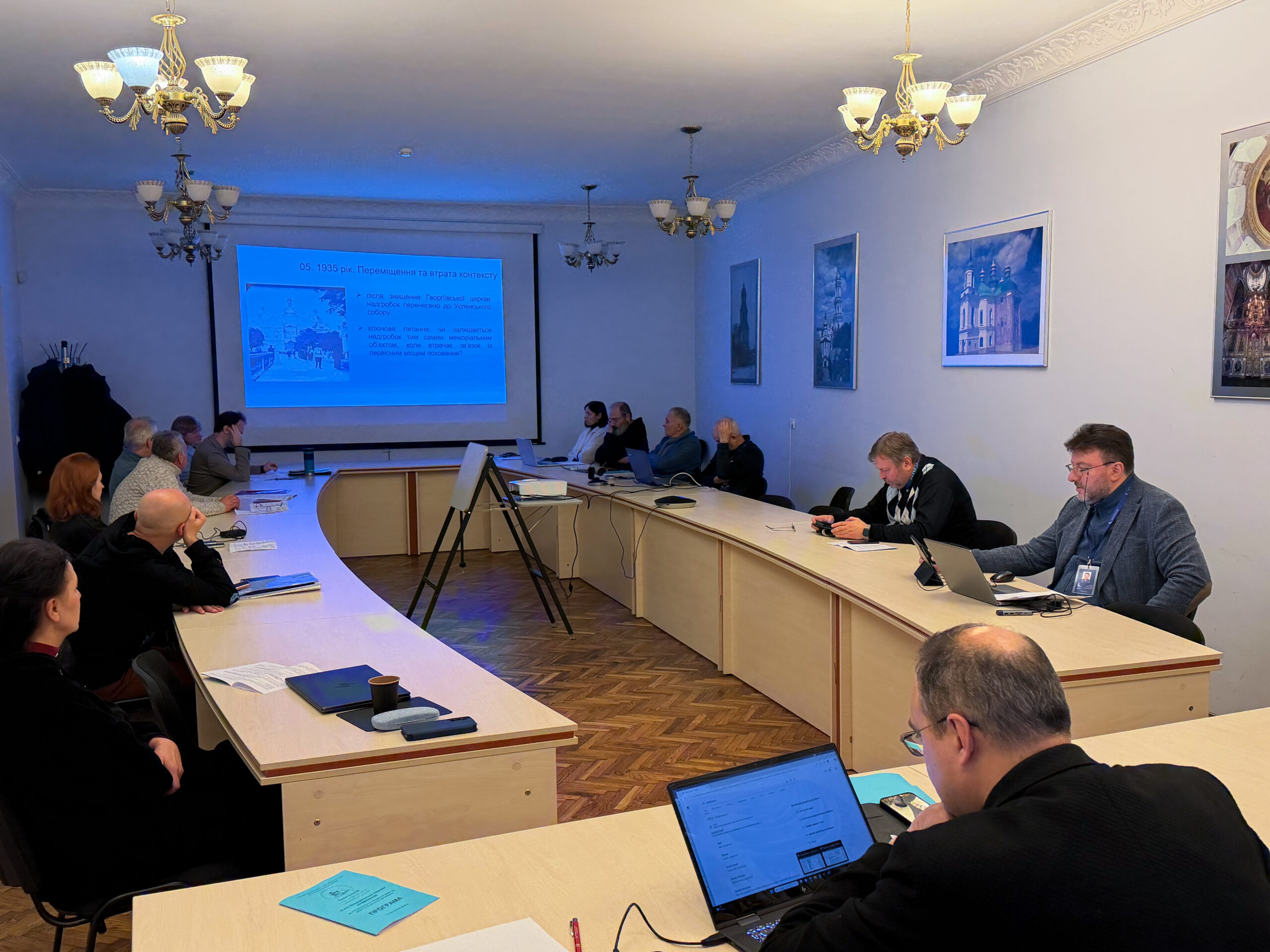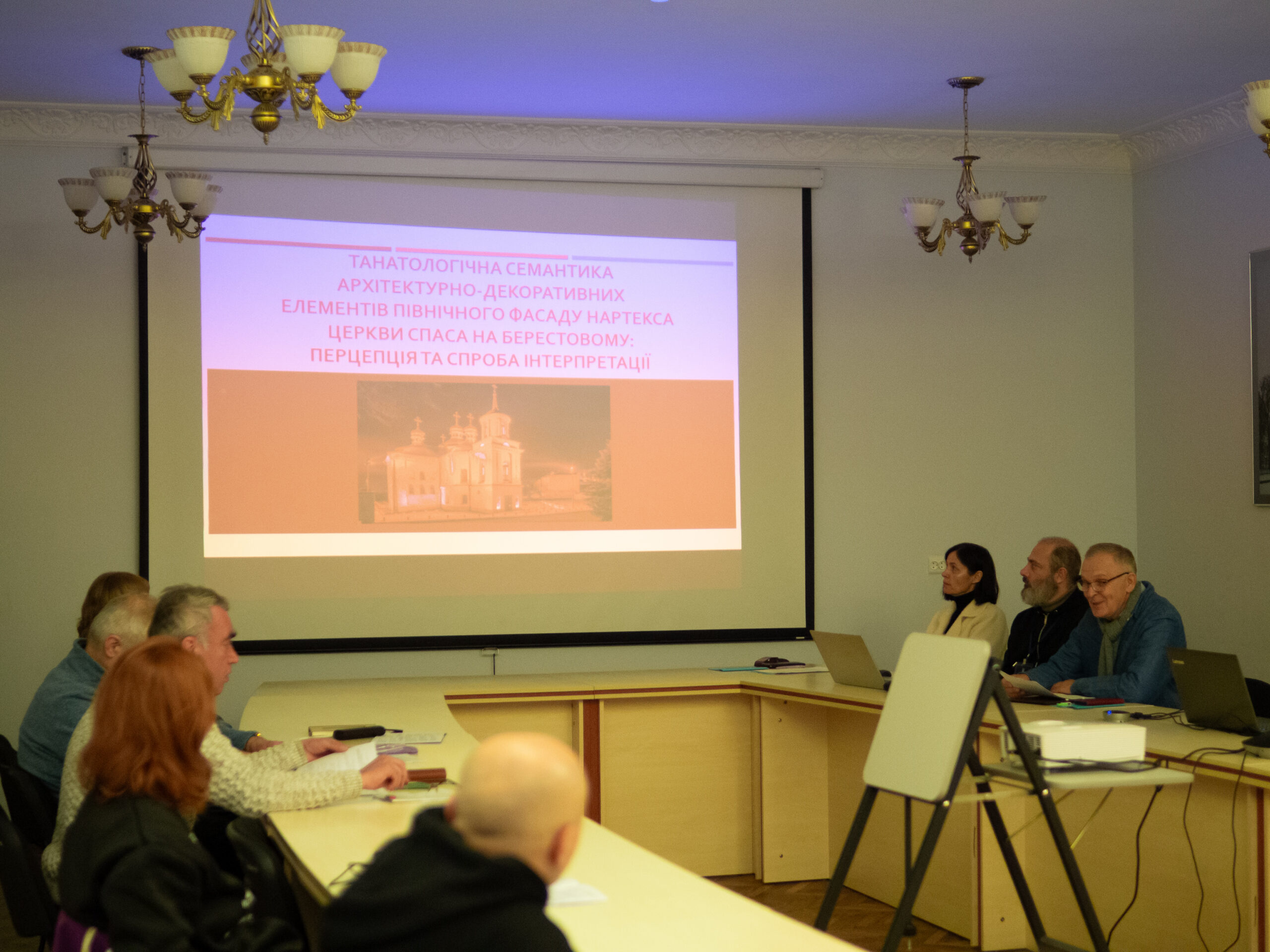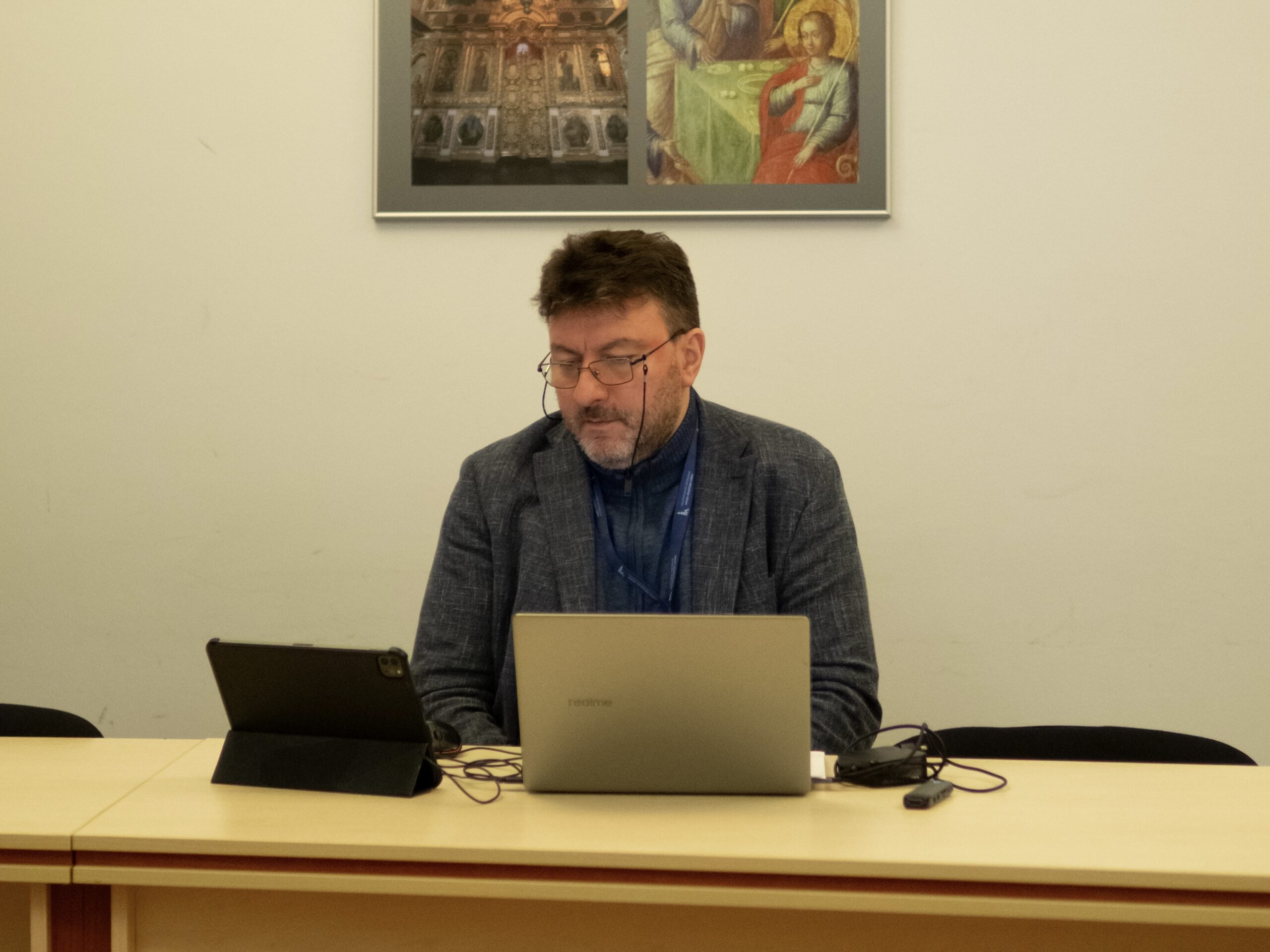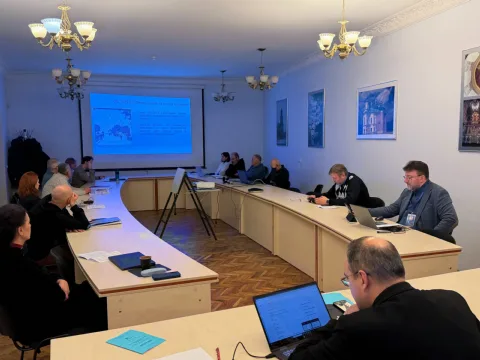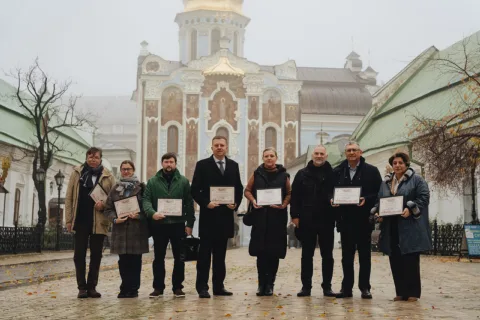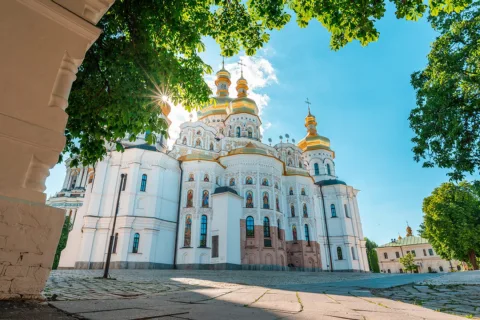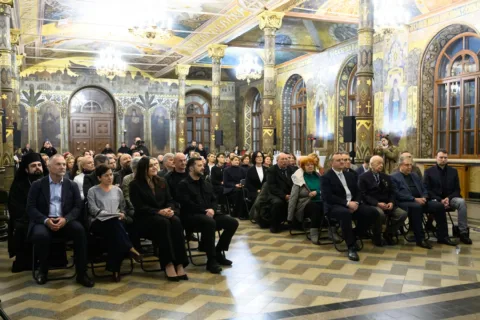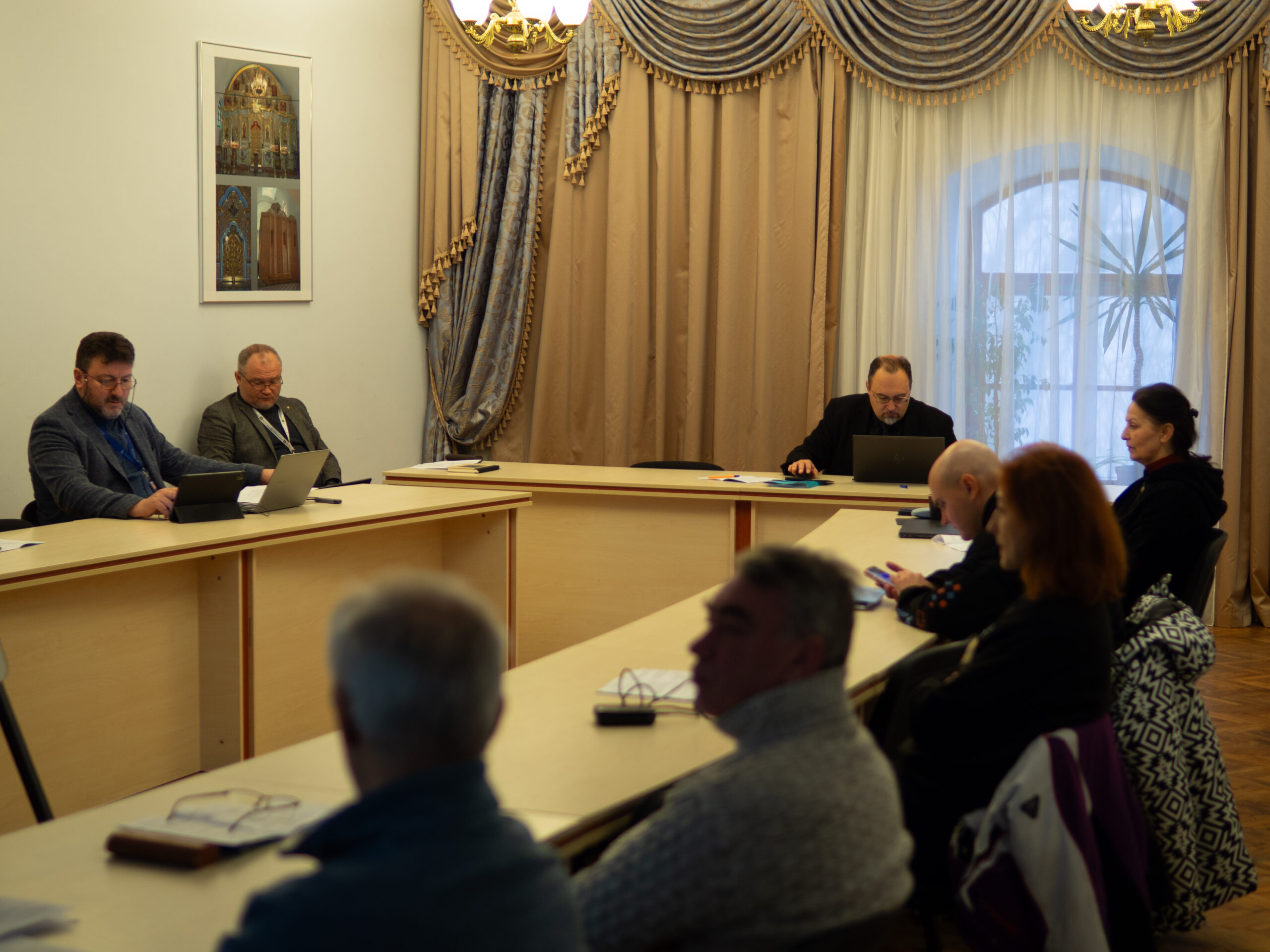
How ancient burials help to study history and what is needed for their preservation – this is the question that was dedicated to the Fifth All-Ukrainian Scientific Conference “Thanatology: Death and the Surroundings of Death in European Culture”. It was held on November 13 by the National Reserve “Kyiv-Pechersk Lavra” and the Institute of Archaeology of the NAS of Ukraine. The conference was timed to the 975th anniversary of the Lavra and the 100th anniversary of the National Reserve. This year, researchers focused on historical burials and cemeteries in sacred spaces – near temples and monasteries. For the Kyiv-Pechersk Lavra, this topic is of particular importance. There are several cemeteries on its territory, and hundreds of burials are known in and around the Assumption Cathedral. More than 120 venerable Caves monks rest in the Near and Far Caves. “Since ancient times, the monastery has been a place of rest for many believers who came and made contributions to be buried in the monastery cemetery. This is especially true of the Kyiv Pechersk Lavra, because it is an ancient tradition. There was a belief that a place in heaven was immediately prepared for those buried in the Lavra. And that is why for many centuries people came here and made contributions,” said Konstantin Krainiy, Deputy General Director of the Kyiv Pechersk Lavra National Reserve for Scientific Work. According to him, a significant part of the burials in and around the Assumption Cathedral were damaged or destroyed during the explosion of 1941. At the same time, the Lavra stores more than 70 gravestones, most of which come from the church or from the territory near it. A large cemetery also existed near the Church of the Savior on Berestov – from approximately the 14th-15th to the 19th centuries. It contained hundreds of burials. Another memorial cemetery is located on the Nativity of the Virgin Mary bastion behind the church of the same name in Dalnye Pechery. There are also many graves near other Lavra churches, in particular the Church of the Exaltation of the Holy Cross. It was the necropolis near the Spas on Berestov that became the main topic of a collective monograph based on the results of excavations in 2018–2019. Archaeologists of the National Reserve Serhiy Taranenko and Yulia Mysko, as well as the head of the Kyiv archaeology department of the Institute of Archaeology of the NAS of Ukraine Vsevolod Ivakin, spoke about it at the conference. A researcher of monuments of the National Reserve Oleksandr Romanchenko devoted his report to the funerary symbolism of the temple. Other speeches helped to look at the Lavra heritage through individual monuments and human stories. The scientific secretary of the National Reserve Oleksandr Starukh spoke about the tombstone to Prince Konstantin Ypsilanti. Historian Yaroslav Zatylyuk examined the burials of the Koretsky princes, and historian Olga Yashna examined memorial inscriptions on Judaic objects from the funds of the National Reserve. A separate part of the conference was devoted to the Pechersk saints: the history of their veneration, research and preservation of relics. Oleksandra Kozak, an anthropologist at the Institute of Archaeology of the NAS of Ukraine and the National Reserve, examined the phenomenon of mummification in medieval and early modern Europe. She spoke about the morphological study and digital documentation of the relics of the saints of the Kyiv-Pechersk Lavra together with professors of the National University of Life Resources and Environmental Sciences of Ukraine Oleg Melnyk and Gennady Tkach, as well as the head of the cave preservation department of the National Reserve Oleg Rychko. The program also covered burial sites outside the Lavra — from medieval burial grounds to the burial place of Tzadik Mordechai Chornobylsky in the village of Hnativka in the Kyiv region. These studies help to better understand burial customs of different times and cultures. The conference participants will be able to publish their research materials in the publication of the National Reserve.